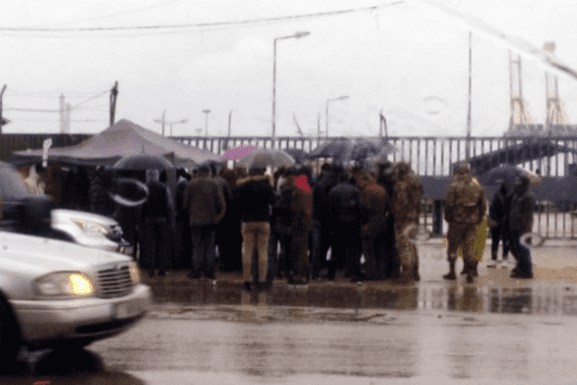
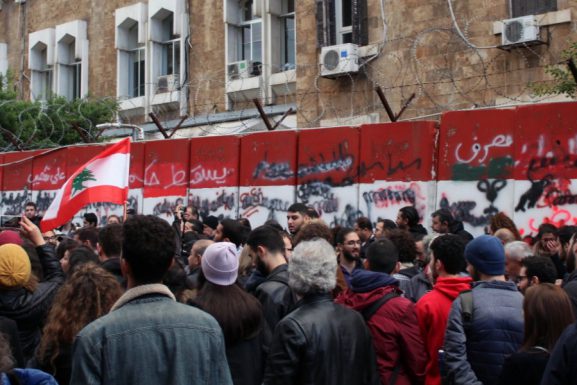
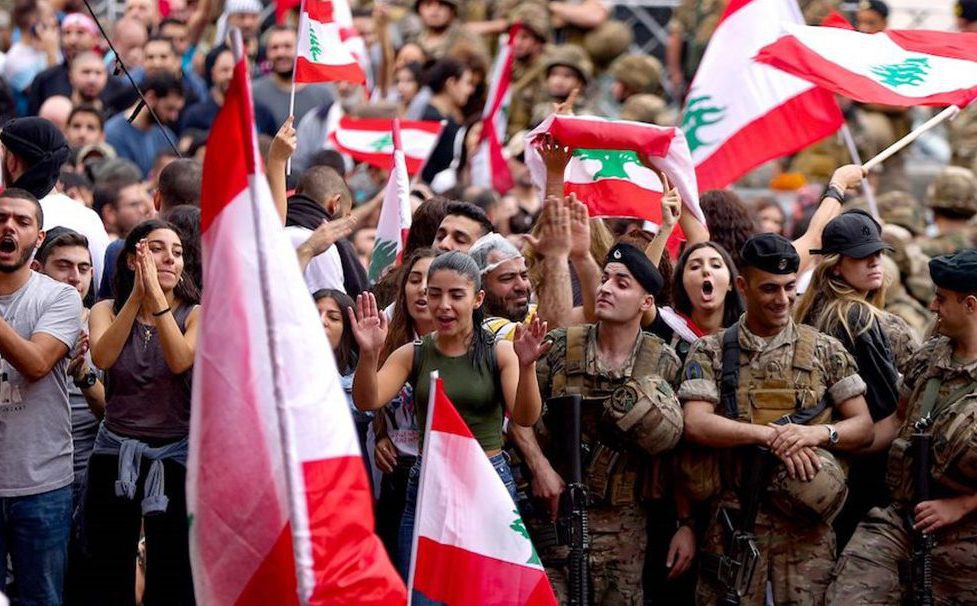
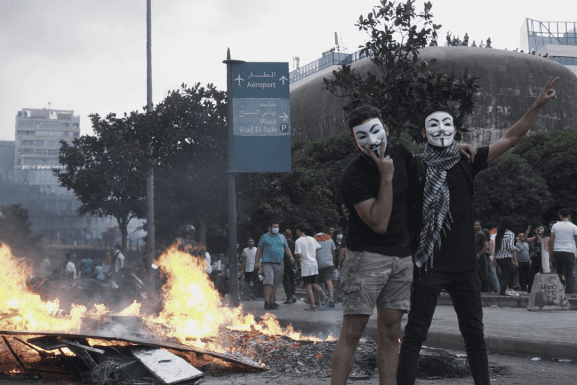
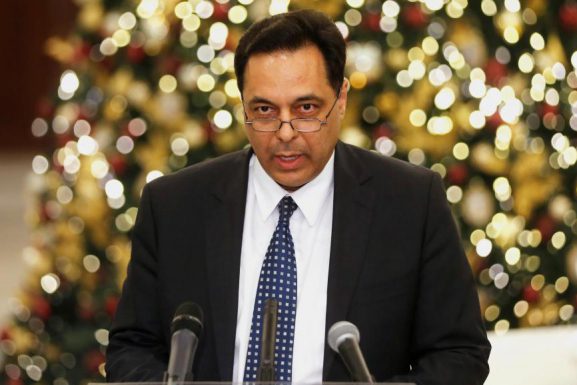
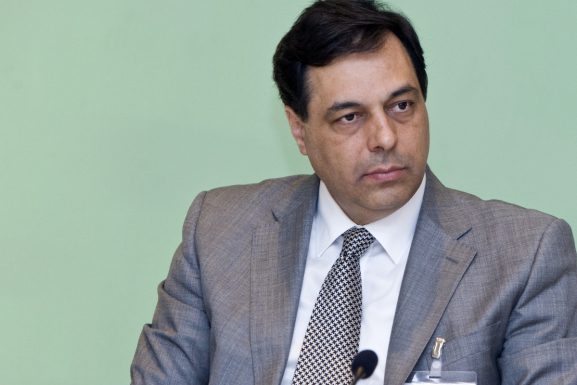
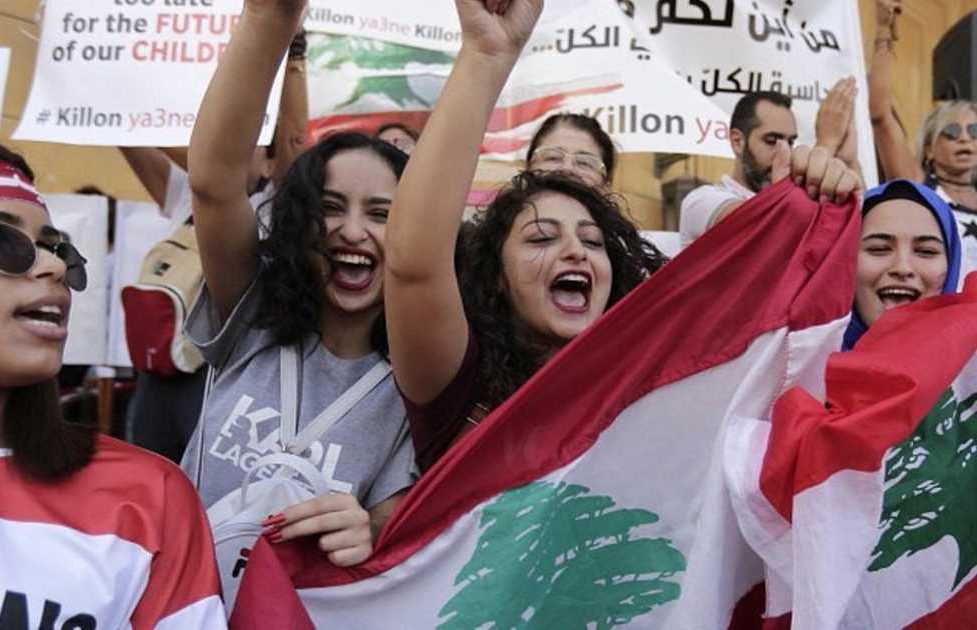
Protesters consider the new PM to be a part of the same ruling class that lead the country into the current economic crisis.
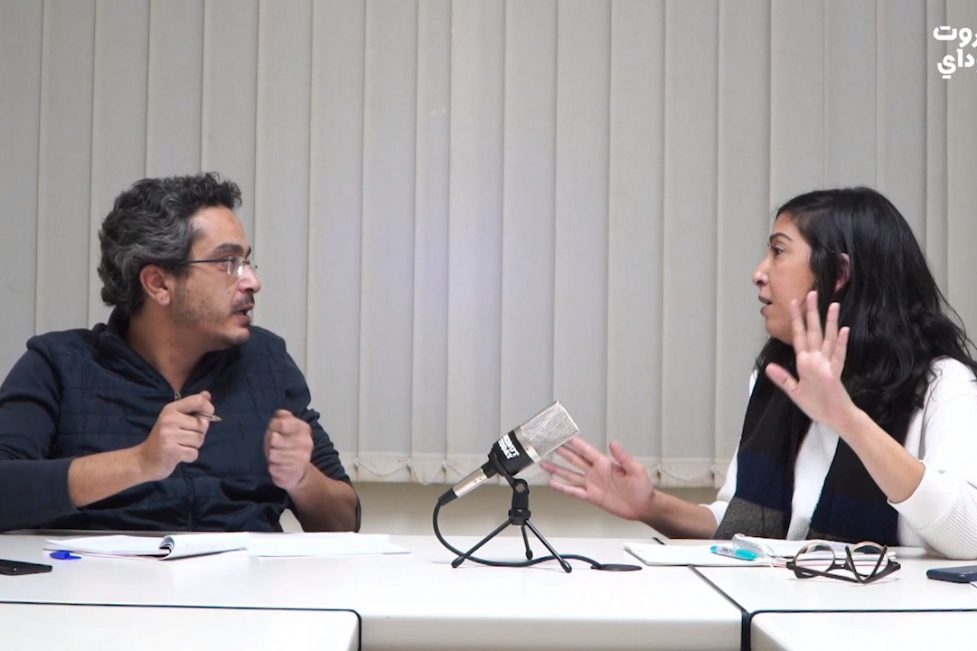
For the fourth episode of Beirut Talks, lawyer, human rights researcher, activist, and co-founder of Beirut Madinati Nayla Geagea breaks...
BEIRUT: Former Education Minister Hassan Diab was tasked this Thursday with forming the next Lebanese government, with the support of 69 MPs, including affiliates of Hezbollah, the Amal Movement, the Free Patriotic Movement and their allies. “I call on the Lebanese people in all squares and all areas to be...
BEIRUT: Lebanese President Michel Aoun on Monday postponed the parliamentary consultations to select a new prime minister following a weekend...
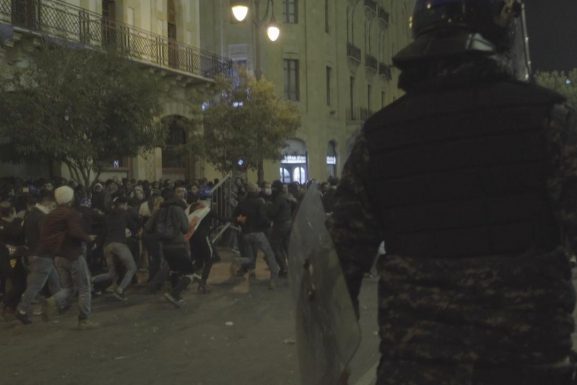
BEIRUT: Rights groups Wednesday condemned an overnight attack by security forces on a convoy of protesters near the home of...
Today, infrastructure in Lebanon continues to be a site for political struggle and economic gain.
Through independent initiatives, Lebanese citizens have taken it upon themselves to provide the basic needs that many in the country...
The women of the Lebanese protests are fighting the country’s patriarchal power structures, where their political voice has long been smothered.
From highways to proactivity, people in Lebanon have taken back their essential right to exist in open, free, and accessible public spaces.
Consensual politics has given rise to governments muddled with political rivalries and contradictory agendas, all under the pretext of inclusivity.
Women have firmly asserted their presence within the Lebanese protests and the overall political scene.
The state has commodified and marginalized students for years.