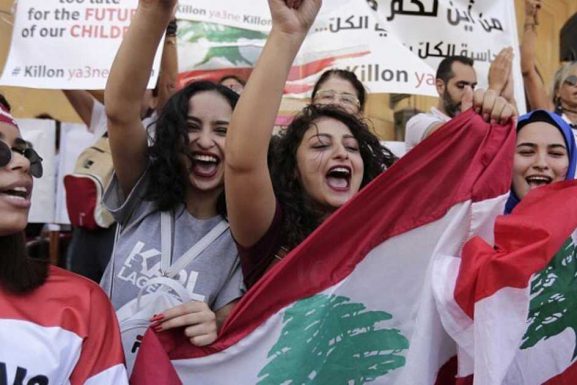
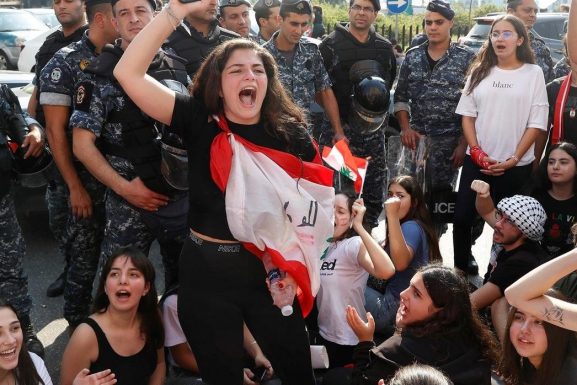
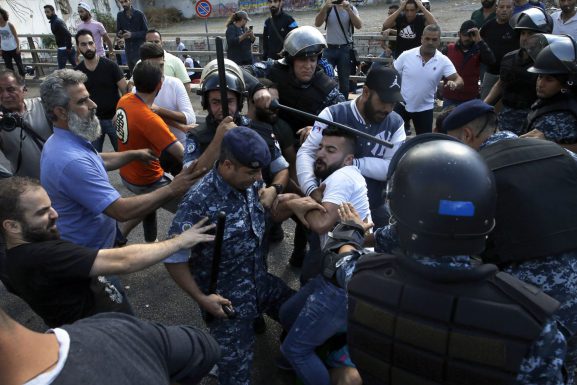
Beirut TodayWomen are on the frontlines of the Lebanese protestsThe women of the Lebanese protests are fighting the country’s patriarchal power structures, where their political voice has long been smothered. Read More
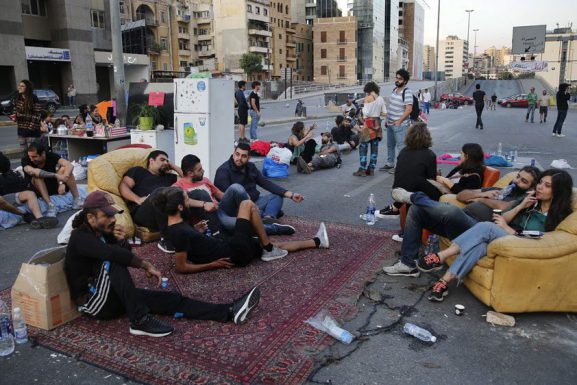
Mariam HammoudReclaiming Public Space During the Revolution: How We Are Reconnecting With Lebanese CitiesFrom highways to proactivity, people in Lebanon have taken back their essential right to exist in open, free, and accessible public spaces. Read More
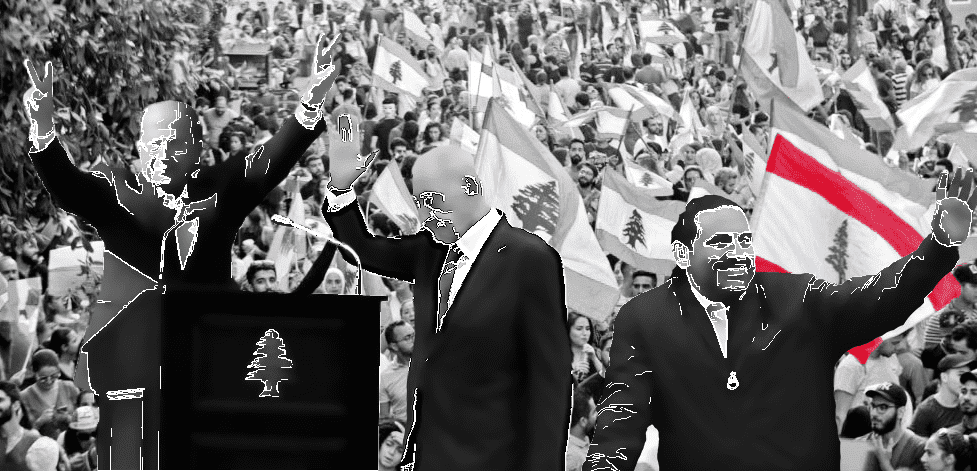
Dima FarranHistorical revisionism: Consociational politics is a governance flawConsensual politics has given rise to governments muddled with political rivalries and contradictory agendas, all under the pretext of inclusivity. Read More
Mira ZaghbourFeminism and the October Revolution: The people demand and do not negotiateWomen have firmly asserted their presence within the Lebanese protests and the overall political scene. Read More
Samer TalhoukStudents have spoken: The economy is not working for the youthThe state has commodified and marginalized students for years. Read More
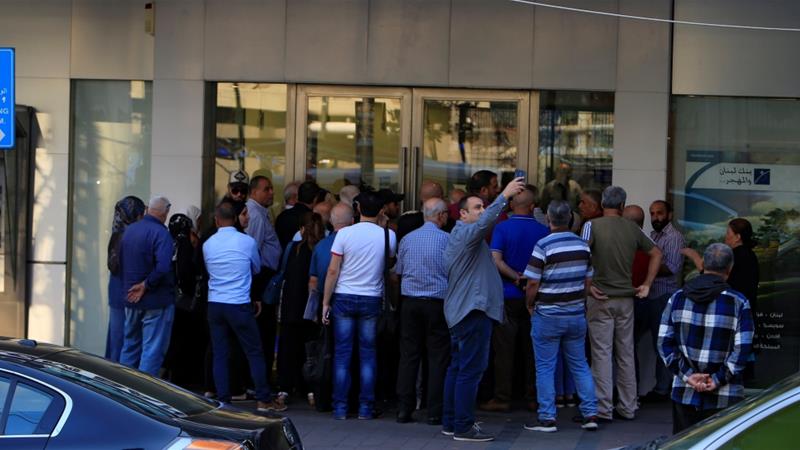
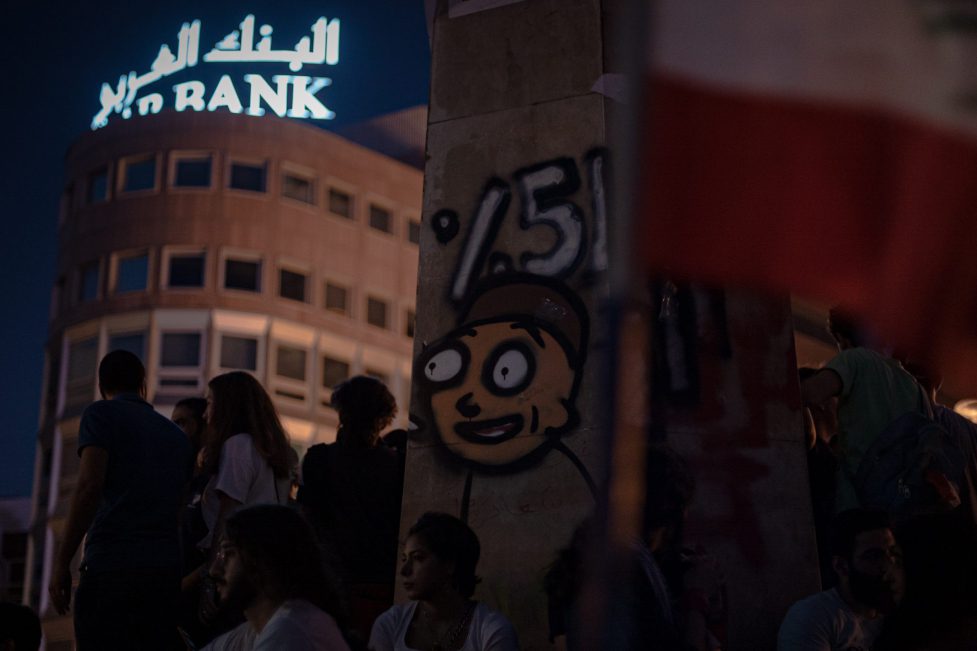
Jad ChaabanWhy Aren’t Lebanese Banks Giving You Back Your Money?The Central Bank and the Association of Banks have a major historical responsibility to protect depositors and provide transparent regulations going forward. Read More
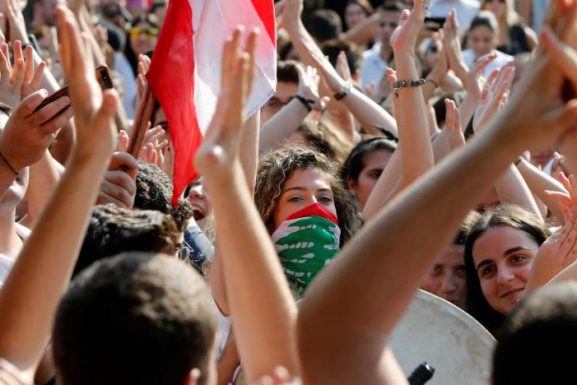
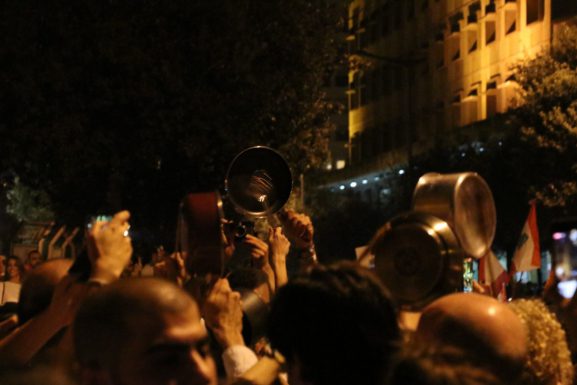
Beirut TodayDay 21: Women Making Noise At The ProtestsDay 21: At the Women’s March in Beirut, protesters bang on pots and pans, drum on walls, and light candles.... Read More
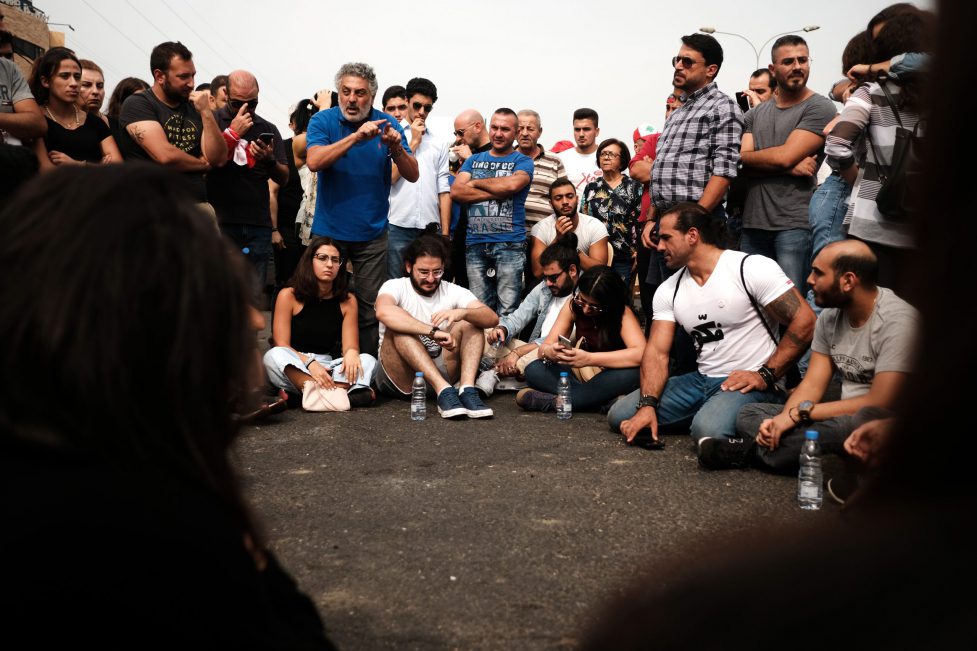
Beirut TodaySquares Meet: A Conversation Between Activists From Tripoli, Saida, Nabatieh, Zouk, Aley, and BeirutA lot of important initiatives are happening on the ground, thanks to the efforts of citizens who are protesting against... Read More
Samer TalhoukThe protesters want to end the sectarian system: Our future economy should cater to their demandsRemedying the drawbacks of our current sectarian system should be the basis upon which we build up our post-revolution economy. Read More
Karim SafieddineHezbollah and Lebanon’s 2019 Revolution“We don’t accept the fall of the mandate, nor do we support the resignation of the Cabinet and early parliamentary elections in these circumstances." Read More
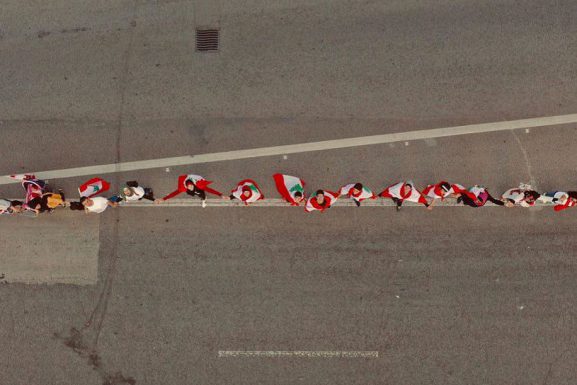
Chloe KhouryFrom Tripoli to Tyre: Protesters in Lebanon form first ever nationwide human chainMore than 170,000 people held hands to cover a 171-kilometer distance along Lebanon’s coastal roads, from Tripoli in the North to Tyre in the South. Read More
Ali ChalakRevolution in the Neoliberal WildernessOn a revolutionary event without revolutionary subjects, the reconfiguration of Lebanese capitalism, and the hydra-like Lebanese ruling oligarchy. Read More