

Israeli attacks have once again escalated in towns across southern Lebanon over the course of the week. An Israeli strike on the outskirts of the town of Ansar, in the Nabatieh district, killed seven people and injured two others. Among the casualties were three children and two women. Four other people were killed in an Israeli airstrike on Deir al-Zahrani, while 17 others were injured, according to the Lebanese Ministry of Public Health.
The timing of the escalation could be linked to the upcoming Israeli legislative elections, scheduled for October 27, 2026. Regardless, Israeli attacks have continued over the past several weeks (and years), repeatedly violating ceasefire agreements not only in Lebanon but across the region.
Continued Displacement, Infrastructure Destruction, and Attacks in Southern Lebanon
These attacks have been accompanied by the continued destruction of critical infrastructure and residential properties, with Israeli forces repeatedly bulldozing and blowing up houses, as well as using white phosphorus on land in southern Lebanon.
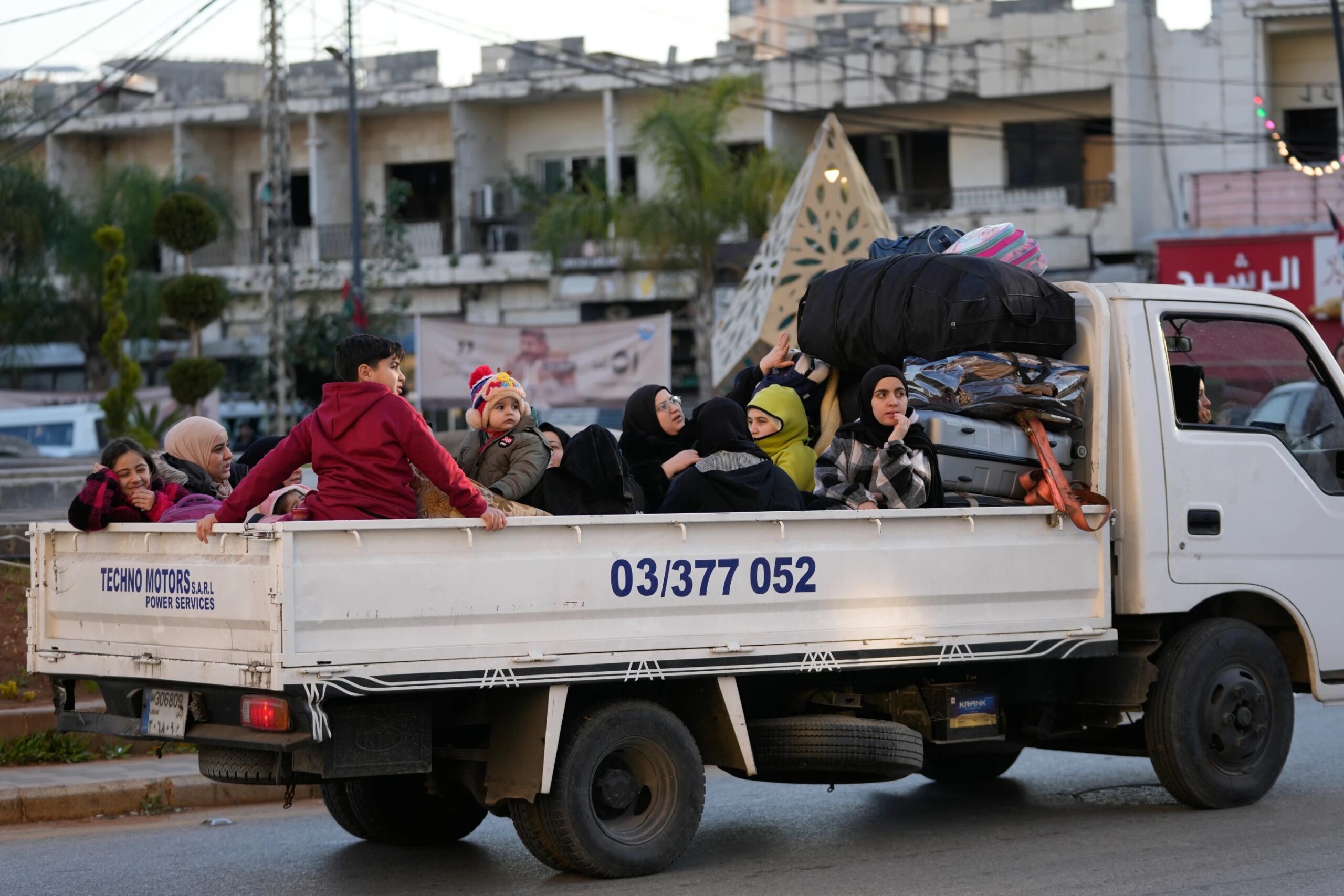
As of August 12, the International Organization for Migration had identified more than 350,000 internally displaced people. Last week’s strikes and Israel’s continued violations of ceasefire agreements have led many households to hesitate and refrain from returning to their areas of residence for the time being.
Progress on Pilot Zone Operations and Hezbollah’s Position
Meanwhile, pilot zone operations are progressing slowly, with little-to-no progress since implementation began in the towns of Froun, Srifa, and Zawtar al-Gharbiya – areas with no significant Israeli presence and limited strategic importance.
In a televised speech on Friday, Hezbollah Secretary-General Naim Qassem warned that an “hour of anger” could be approaching, while reiterating his rejection and condemnation of direct negotiations.
As matters stand, several factors are coming into play. For Lebanon, Gaza, and other contexts across the region, the outcome of the Israeli elections may signify little, as both dominant blocs are characterized by hawkish politics and similar military and security doctrines. However, an escalation in attacks or other military operations could be used as a strategy to mobilize constituencies during the campaign period.
Israel’s overall position regarding the Lebanese territory it occupies and the continuation of its military operations remains the first major factor. Hezbollah’s stance, including whether it decides to launch operations, represents another determining factor. The third, and perhaps most difficult, concerns the firmness of the Lebanese state and the Lebanese Armed Forces, their respective positions, and their ability to operationalize the components of the trilateral framework agreement.
