

The rise in tensions between the United States and Iran over the past week has had an immediate impact on global economic prospects. The focus is yet again on global fuel prices and energy costs, representing another deterioration in the state of affairs despite repeated assurances that matters are heading towards de-escalation.
The Strait of Hormuz, fuel-related operations in the Gulf region, and global trade are among the many areas that could once again be impacted by the deterioration in the politico-military landscape.
While countries across the globe are set to face the consequences of such developments, Lebanon stands particularly vulnerable amid an ongoing socioeconomic crisis and continued security discussions.
Cost of Basic Needs in Lebanon
While political elites continue to focus their attention on the ceasefire, control of arms, and pilot zone arrangements, the minds of the general population are focused elsewhere: how to provide for their households and afford everyday items.
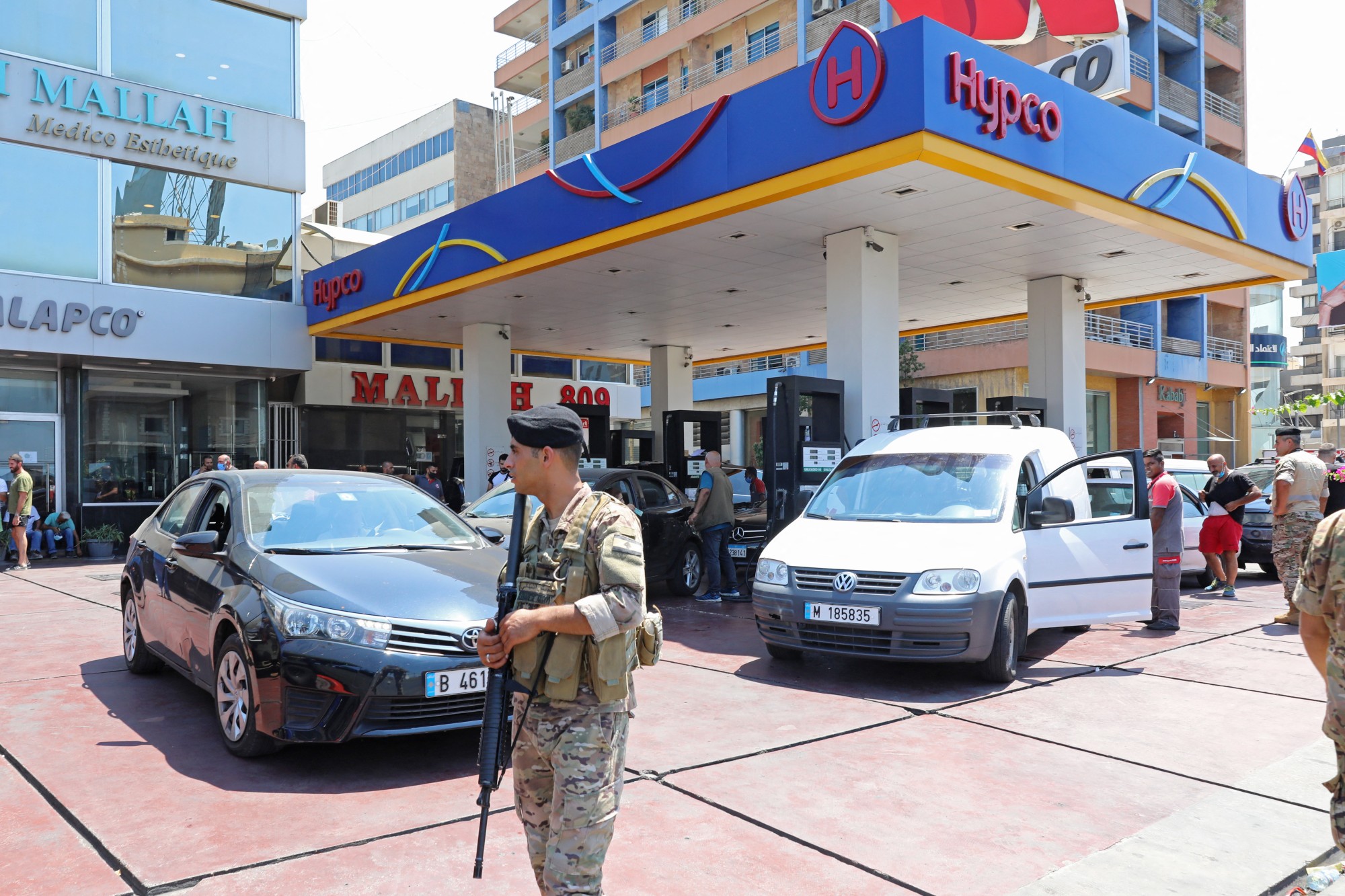
This week saw yet another rise in fuel prices, particularly for 95 and 98 octane gasoline, diesel oil, and gas canisters. On Tuesday, the prices of hydrocarbons rose notably. Gasoline 95 octane was priced at 2,234,000 Lebanese Pounds (LBP), and Gasoline 98 octane at 2,252,000 LBP, representing an increase of 13,000 LBP. Meanwhile, the price of diesel oil rose by 35,000 LBP, bringing its price to 1,847,000 LBP. Gas prices, meanwhile, rose by 16,000 LBP, with a gas canister priced at 1,115,000 LBP, according to LBCI.
The increases in the prices of hydrocarbon derivatives are bound to translate into higher costs for everyday items, with the transport sector set to witness the most notable changes.
Households in Lebanon have been progressively cutting non-essential items and activities from their spending, with a notable impact on their mental health.
The increase in the cost of everyday items has not been accompanied by an adequate adjustment to salaries and wages across the country, pushing further sections of the population into precarious economic conditions, especially those disproportionately impacted by a decade marked by crises, wars, and global shocks.
People with disabilities, for example, were one of the most impacted groups in Lebanon. According to a survey conducted by the International Labor Organization with 2,485 workers from different sectors and governorates in the private sector, around 71% became jobless as a result of the recent war and crisis.
Despite a relative easing, inflation in Lebanon has continued to rise. In May 2026, the annual inflation rate reached 19%, according to inflation tracking platform Trading Economics. April recorded an annual inflation rate of 20%, while March recorded 17.3%.
The hike is significant when compared to the months preceding March. Monthly inflation estimates between May 2025 and February 2026 did not exceed 16.4% during that 10-month period.
Regardless of the final security arrangements and how matters progress on the politico-military front, the Lebanese population remains in urgent need of political economy reforms that secure access to basic needs and social protection mechanisms, particularly for vulnerable population groups, as well as significant humanitarian and development assistance.
