

The population in Lebanon is set to observe a public holiday next Monday, with Sunday November 22 marking 83 years since the country gained independence in 1943.
However, this year’s Independence Day comes at a time of heightened tensions surrounding national governance and against the backdrop of continued Israeli occupation and attacks.
Independence Under Occupation and Continued Attacks
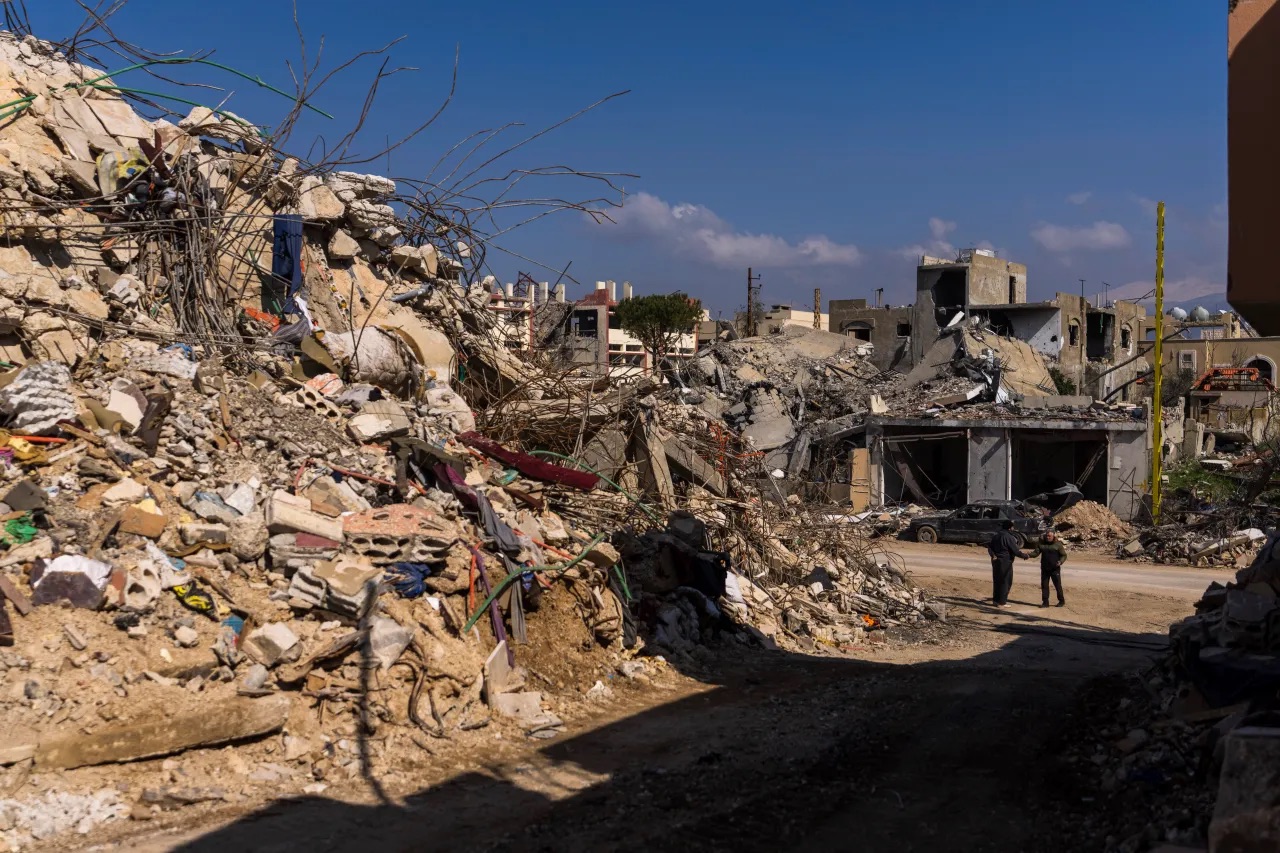
Israeli attacks have continued incessantly in southern Lebanon, while Israeli forces continue to occupy areas extending 5 to 10 kilometers into Lebanese territory, with no immediate plans for withdrawal.
The scale of destruction in southern Lebanon has arguably not decreased, but rather changed in form since the start of the trilateral framework talks. Strikes on civilians have continued, while the systematic destruction of neighborhoods, greenery, and critical infrastructure has potentially accelerated.
In October alone, the United Nations Interim Force in Lebanon (UNIFIL) reported 2,840 Israeli artillery rounds, 870 air violations, and 90 observed airstrikes in a November statement.
Importantly, the force’s mandate itself is nearing its end in December 2026, after which its gradual withdrawal is set to begin.
Less than a month before the end of the mandate, there are still no clear plans for alternative forces, a renewal of UNIFIL’s mandate, or other arrangements. The force has played a notable role in monitoring and documenting cross-border violations, as well as coordinating humanitarian assistance. Concerns therefore remain over a potential monitoring vacuum in southern Lebanon.
Competing Foreign Interests
Lebanon remains a playground in which foreign powers vie for influence and strategic positioning. The US, Israel, and Iran continue to exert significant influence over the country’s military and security landscape, while other countries also play an important role in shaping its national and local governance systems.
Debates over national security, Hezbollah’s weapons, and the Lebanese state’s monopoly on arms continue to fuel significant tensions across the country.
Amid continued brinkmanship and divisive rhetoric, hopes remain that national solidarity, shared interests among the population, and efforts to promote peacebuilding and social cohesion will come to the forefront.
