

The majority of Lebanon’s population continues to suffer from a continuous increase in the price of basic items and services, impacted by a mix of continued Israeli attacks and occupation, a socioeconomic crisis with no concrete national plans to address it, and back-to-back environmental issues.
Furthermore, the country remains disproportionately impacted by the war in the region, suffering disproportionately from the fuel crisis compared to other contexts around the globe.
Fuel Crisis
Fuel prices, which subsequently impact prices across different sectors, continue to rise dramatically in Lebanon. 95-octane gasoline, for example, rose by 1,528,000 Lebanese pounds between early January and September, rising from 1,306,000 LBP to 2,834,000 LBP per 20 liters, more than doubling with a 117% increase.
This rise was significantly higher than fuel price increases in neighboring countries such as Syria, Jordan, and Türkiye, and exponentially higher than the average global increase in fuel prices.
For an average 50-liter tank, it would take approximately 7,085,000 LBP to fill up. In other words, a single full tank of fuel would take up around one-fourth (over 25%) of the monthly minimum wage in Lebanon, if we take the statutory minimum wage for the private sector, set at 28,000,000 LBP, and even more so if the person commutes frequently and requires high levels of fuel consumption.
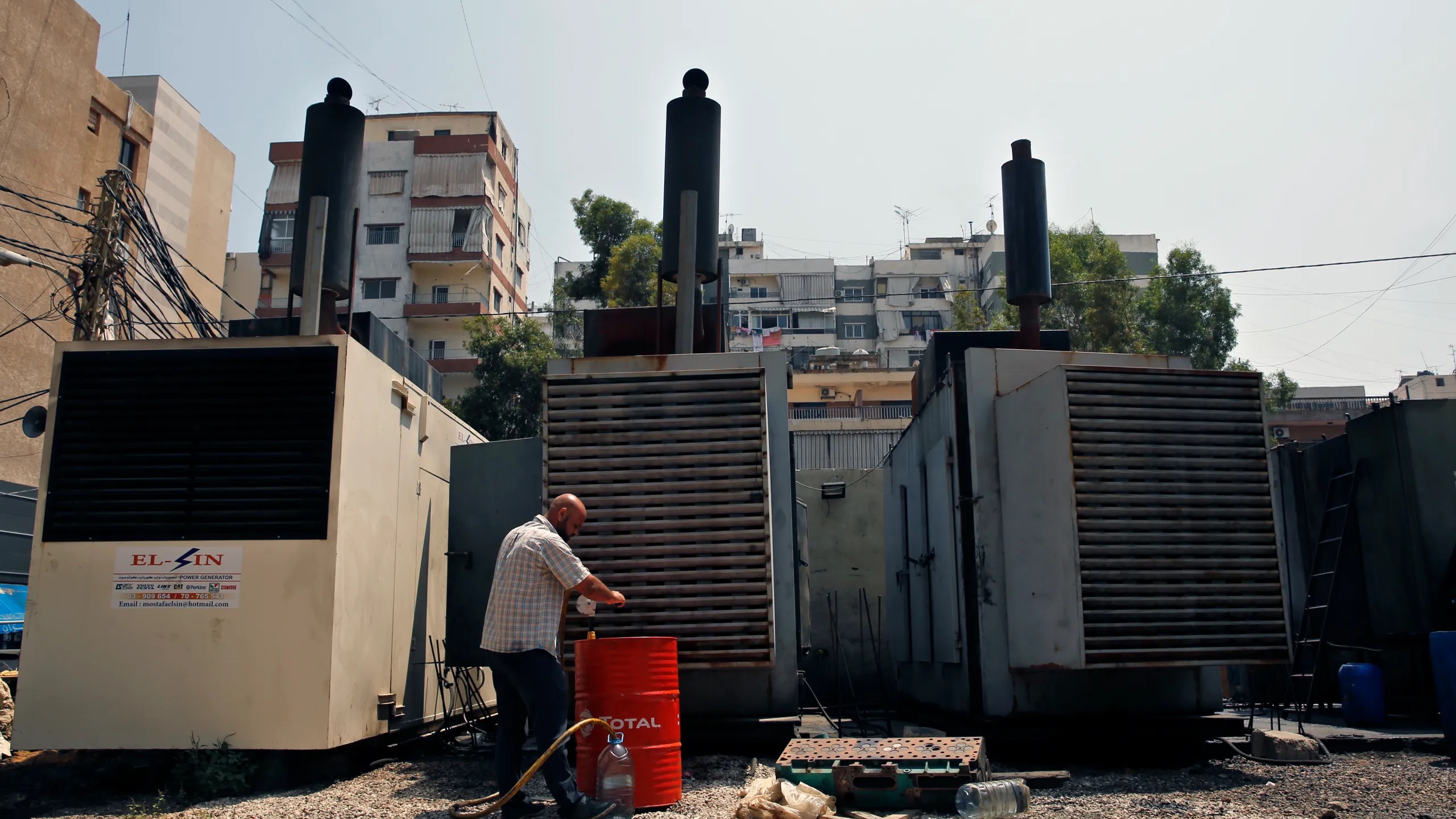
The issue is likely to have reverberating consequences for electricity provision, with people paying hundreds of dollars for private generator subscriptions, as well as for a range of other sectors.
Overall Economic Indicators
An analysis by Sifr platform shows that the inflation rate in Lebanon since the summer of 2023 has risen by 77.3%, highlighting that what used to be bought with $100 USD now requires around $177.73 USD.
The price of white bread, a staple food in the country, also recently saw an increase. The official price of a medium-sized bundle rose by 5,000 LBP.
With a general lack of adjustment in salaries, wages, and pension rates across the country, the majority of the population is witnessing an exponential decline in access to basic needs and services.
Meanwhile, public institutions in sectors such as education, healthcare, water delivery, and other services continue to suffer from the combined impacts of chronic underfunding and mismanagement, while private institutions continue to hike up tuition fees and overall prices, making access to quality goods and services more restricted.
Humanitarian agencies have also suffered from the consequences of such developments, with aid efforts providing less value, while the transportation of personnel and items and general logistics have become more costly.
As matters stand, the country needs urgent reforms at the political economy level that protect public, accessible institutions, promote productive sectors that support self-sufficiency across the country, and provide necessary social protection structures for the country’s poorest groups.
