

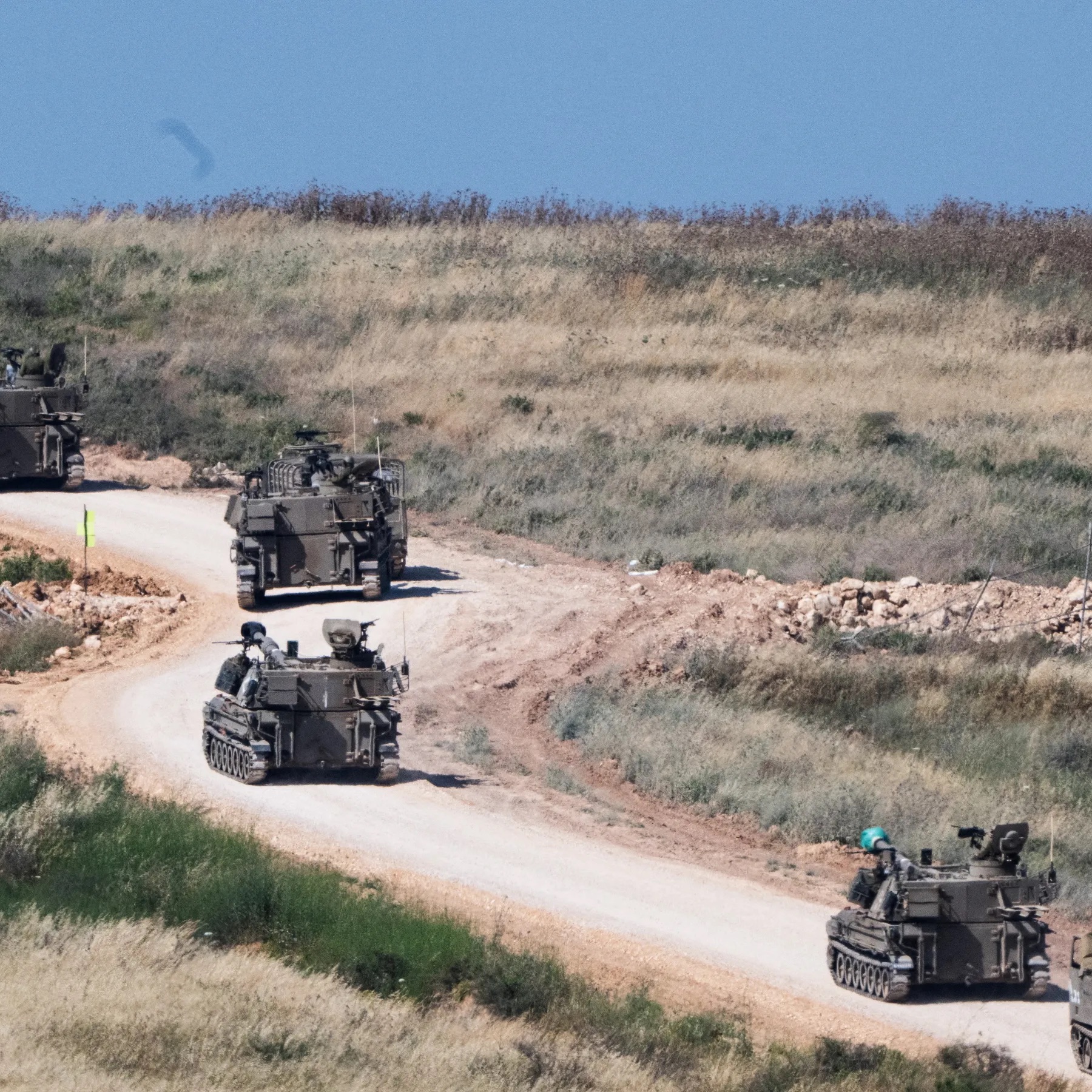
On Monday, the United States (US) announced the launch of pilot zone operations in southern Lebanon. The operations began following trilateral talks in Rome between Lebanon, Israel, and the US, and coincided with Lebanese President Joseph Aoun’s visit to the US and his meeting with US President Donald Trump.
The operations are taking place under the supervision of the Military Coordination Group for Lebanon and have begun in the villages of Froun, Srifa, and Zawtar Al-Gharbiya.
Not the Real Test
he pilot zone operations mainly consist of three steps: the deployment of the Lebanese Armed Forces, the disarmament of non-state armed groups, and the progressive withdrawal of Israeli forces.
The Lebanese army has begun deploying, while army engineering teams have started clearing roads and removing unexploded ordnance.
However, none of the three villages where pilot zone operations began were under Israeli occupation, despite having suffered extensive destruction from Israeli attacks. Israeli troops also opened fire near Lebanese army units deploying in one of the designated pilot zones.
The absence of Israeli troops in these areas means that only two of the three objectives of the pilot zones are being pursued so far, placing the burden on the Lebanese Armed Forces while leaving the obligations of Israeli forces untested.
If Israeli troops open fire on Lebanese army units deploying in an unoccupied area, questions arise over how Israeli forces will react to potential pilot zone operations in an area under occupation.
The implementation of the trilateral framework agreement and the pilot zone arrangements depends greatly on Israel’s and Hezbollah’s compliance with terms that remain vague and open to interpretation. Israeli forces have repeatedly violated ceasefire agreements in Lebanon, including more than 10,000 violations following the November 27, 2024 ceasefire agreement, according to UN peacekeeping forces.
Multiple steps remain necessary for residents to return, humanitarian aid to flow, and reconstruction to begin. Israeli attacks have caused extensive destruction to homes and infrastructure in southern Lebanese villages.
The successful implementation of the pilot zone arrangements in Froun, Srifa, and Zawtar Al-Gharbiya will likely not represent a major achievement for the agreement’s different parties. The tougher tests will come in areas further south, particularly those of strategic importance to Israeli forces.
