

In addition to the ongoing and expanding Israeli attacks across the country, Lebanon is also facing the dual impact of its prolonged socioeconomic crisis and fluctuations in international energy markets.
Humanitarian needs continue to rise as a result of the attacks and the massive levels of displacement. Around 822,000 individuals are currently registered as displaced, living in shelters, on the streets, or in improvised arrangements.
Fuel Prices and Regional Conflict
Lebanon has been among the countries most affected by the regionalisation of the conflict, following United States and Israeli attacks on Iran that have drawn much of Southwestern Asia into escalating tensions.
According to a trend analysis by the data platform Global Petrol Prices, Lebanon recorded the fifth-largest increase in diesel prices and the eighteenth-largest increase in gasoline prices among 170 countries and territories.
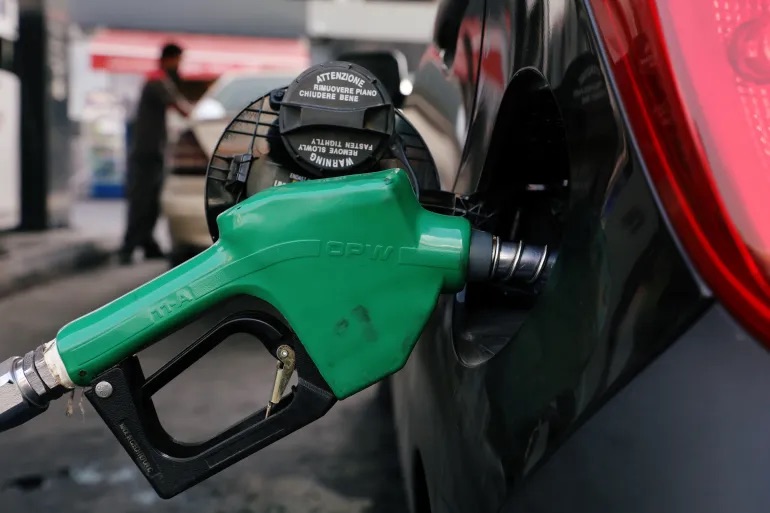
Fuel prices in Lebanon continued to rise today. According to LBCI, the price of 95-octane gasoline increased by 127,000 Lebanese pounds (LBP), 98-octane gasoline by 125,000 LBP, diesel by 133,000 LBP, and gas canisters by 79,000 LBP.
The updated prices are as follows:
Gasoline 95 octane: LBP 2,131,000
Gasoline 98 octane: LBP 2,172,000
Diesel: LBP 2,002,000
Gas canister: LBP 1,680,000
Compounding Crises
The rise in fuel prices is likely to affect costs and economic activity across nearly all sectors in Lebanon. Displacement waves have already strained markets and vital infrastructure in areas hosting large numbers of displaced people.
Higher fuel prices are also affecting essential humanitarian operations, particularly those that rely heavily on transportation, including water trucking, service delivery, and other critical forms of assistance.
