

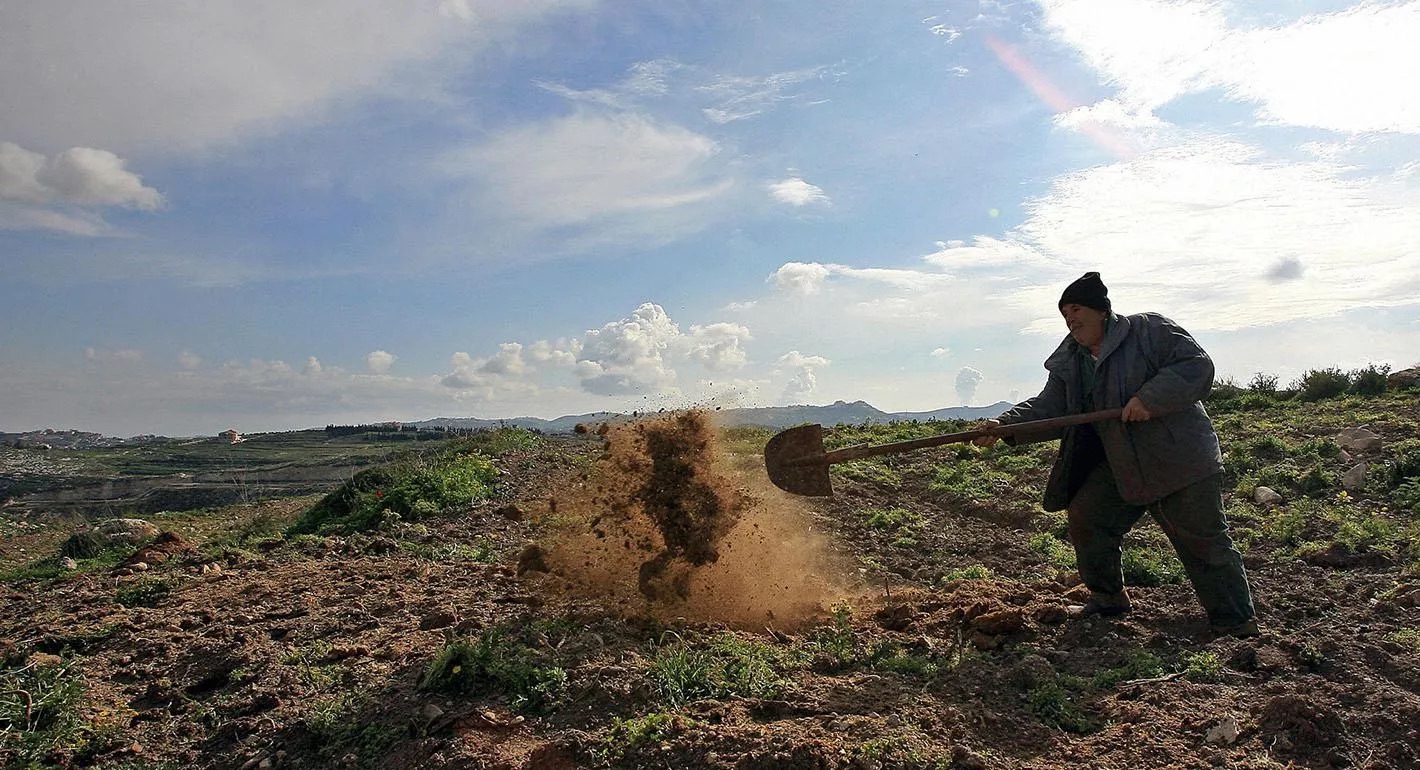
Lebanese President Joseph Aoun highlighted that the agricultural sector suffered an estimated $620 million in war-related losses, with these losses particularly affecting border areas.
The announcement came during a meeting at the presidential palace in Baabda with Arab agricultural ministers and representatives from the Food and Agriculture Organization (FAO).
Local agricultural production remains a key pillar of any country’s prospects for self-sufficiency, especially from a food security perspective.
Lebanon’s southern regions, as well as the Bekaa and Baalbek-Hermel, remain central to the country’s agricultural sector. These regions, however, have also been the hardest hit by Israeli strikes over the last few years.
Where Would Support Come From?
Successive state budgets over the last few decades in Lebanon’s history, alongside the dominant political economy model, have largely neglected the country’s agricultural sector and restricted its potential to thrive.
Paying the price for a highly rentier, non-productive, and service-based economic model, Lebanon’s agricultural sector requires a range of interventions to address its needs and grow, both at the institutional/systemic level and at the ad hoc, short-term level.
At the government level, urgent reforms and systemic changes are needed. The Ministry of Agriculture has indeed launched a series of initiatives recently.
On Monday, the Lebanon Industry Brief reported that Lebanon joined Iraq, Syria, and Jordan “in a pact to develop climate-resilient crops, water efficiency[,] and expand farm trade.”
At the humanitarian and development levels, non-profit organizations such as Oxfam have also been providing aid to stakeholders in the agricultural sector, including direct cash support to farmers and small enterprises impacted by the war, to provide immediate relief and support the resilience of their operations.
As matters stand, Lebanon’s agricultural sector requires sustained support not only to address the livelihood needs of those working in the sector, but also for the country’s overall socioeconomic well-being.
