

Ongoing Israeli attacks on Lebanon have resulted in widespread harm and destruction across the country. More than 4,000 people were killed between 2023 and 2024, around 350 between the November 2024 ceasefire and early 2026, and more than 4,300 between March 2 and August 16, 2026. More than 16,000 people were injured between 2023 and 2024, while over 12,300 were injured between March 2 and August 16, 2026.
The destruction of residential buildings and critical infrastructure has also been a key feature of Israeli attacks, with water facilities, healthcare institutions, and other essential infrastructure repeatedly hit.
As Lebanon struggles with the combined effects of continued attacks, an ongoing socioeconomic crisis, and a climate crisis manifested primarily through drought, the country’s long-term development prospects remain extremely precarious.
Agriculture and the Environment Face a Threefold Crisis
While urgent humanitarian needs remain extremely high, securing the country’s long-term sustainability and development, as well as preserving local communities’ ability to sustain themselves, requires urgent attention to productive sectors, primarily agriculture, and the country’s environmental prospects.
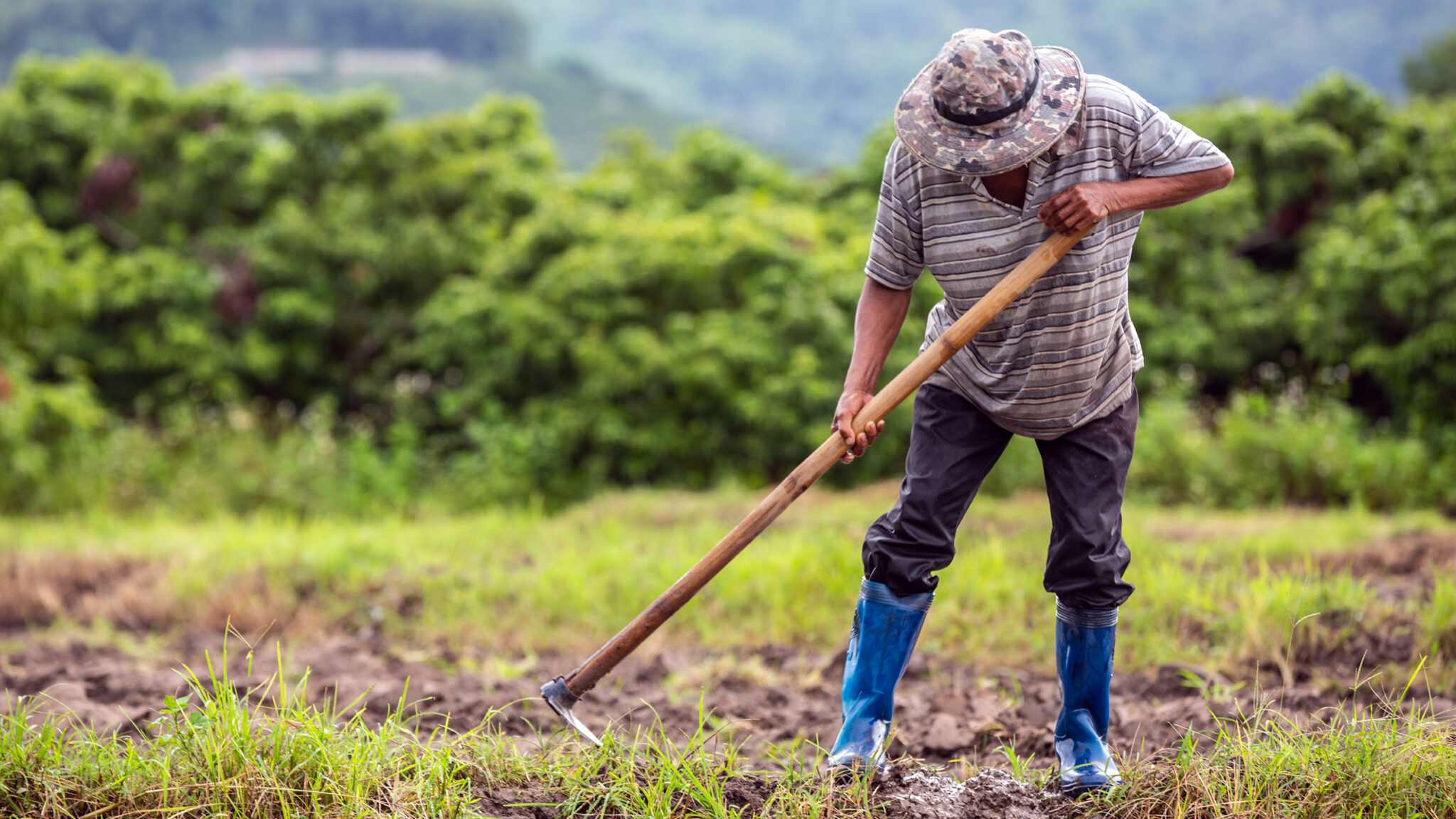
Israeli attacks have affected more than 56,000 hectares of agricultural land, according to the Ministry of Agriculture. They have particularly affected areas where agricultural activities and livelihoods are highly prevalent, namely southern Lebanon and the Bekaa and Baalbek-Hermel governorates.
These attacks have not only disrupted harvests, market activity, and people’s access to income-generating opportunities in the short term, but are also likely to have long-term consequences for the country’s agricultural productivity and environment. Many of the attacks involved the use of internationally prohibited substances, including white phosphorus.
Other attacks have directly affected the country’s water networks, with strikes penetrating deep into the ground, altering geological features, and obstructing irrigation channels and water flows.
At the same time, the climate crisis facing the country, most notably manifested through recent periods of drought, has significantly impeded farmers’ and agricultural workers’ ability to resume their activities as normal. These periods of drought have also severely affected vegetation across the country.
Farmers have reported an exponential increase in the loss of fruit and vegetable crops, while both chronic and intermittent water shortages have compounded their difficulties.
From a political economy perspective, Lebanon’s agricultural sector has historically been plagued by chronic underfunding and inequality. Successive state budgets have allocated less than 1% of public spending to agriculture, while land ownership has remained highly concentrated, with a small number of individuals and companies owning most of the land and small-scale farmers owning only a limited share.
Importantly, major corporations tend to orient their production towards exports, while small-scale farmers are more likely to produce for local consumption and subsistence. Such political economy dynamics significantly weaken the country’s food security and long-term sustainability and risk deepening inequality if left unaddressed.
Ongoing Initiatives to Support Agriculture and the Environment
International donors, both state-level institutional donors and private foundations, have realized the importance of protecting the country’s food security, and boost both agricultural and environmental projects.
Early in the month, the European Union supported a jointly led intervention by the Lebanese government and the United Nations to assist conflict-impacted farming households and protect agricultural livelihoods. Implementing parties include the Ministry of Agriculture, the World Food Programme (WFP), and the Food and Agriculture Organization (FAO).
Other organizations, such as Oxfam in Lebanon, have launched projects focused on specific sub-sectors. Oxfam’s initiative included supporting dairy farmers in northern Lebanon, launched in partnership with the Italian government’s institutional donor, the Italian Agency for Development Cooperation (AICS), and Italian organization AVSI alongside the Chamber of Commerce, Industry and Agriculture of Tripoli & North Lebanon (CCIAT).
These initiatives would provide urgently needed support for farmers, agricultural workers, and food security prospects across the country. The critical link that remains to be seen is how and if these initiatives would complement and accompany broader political economy revamp in the country.
