

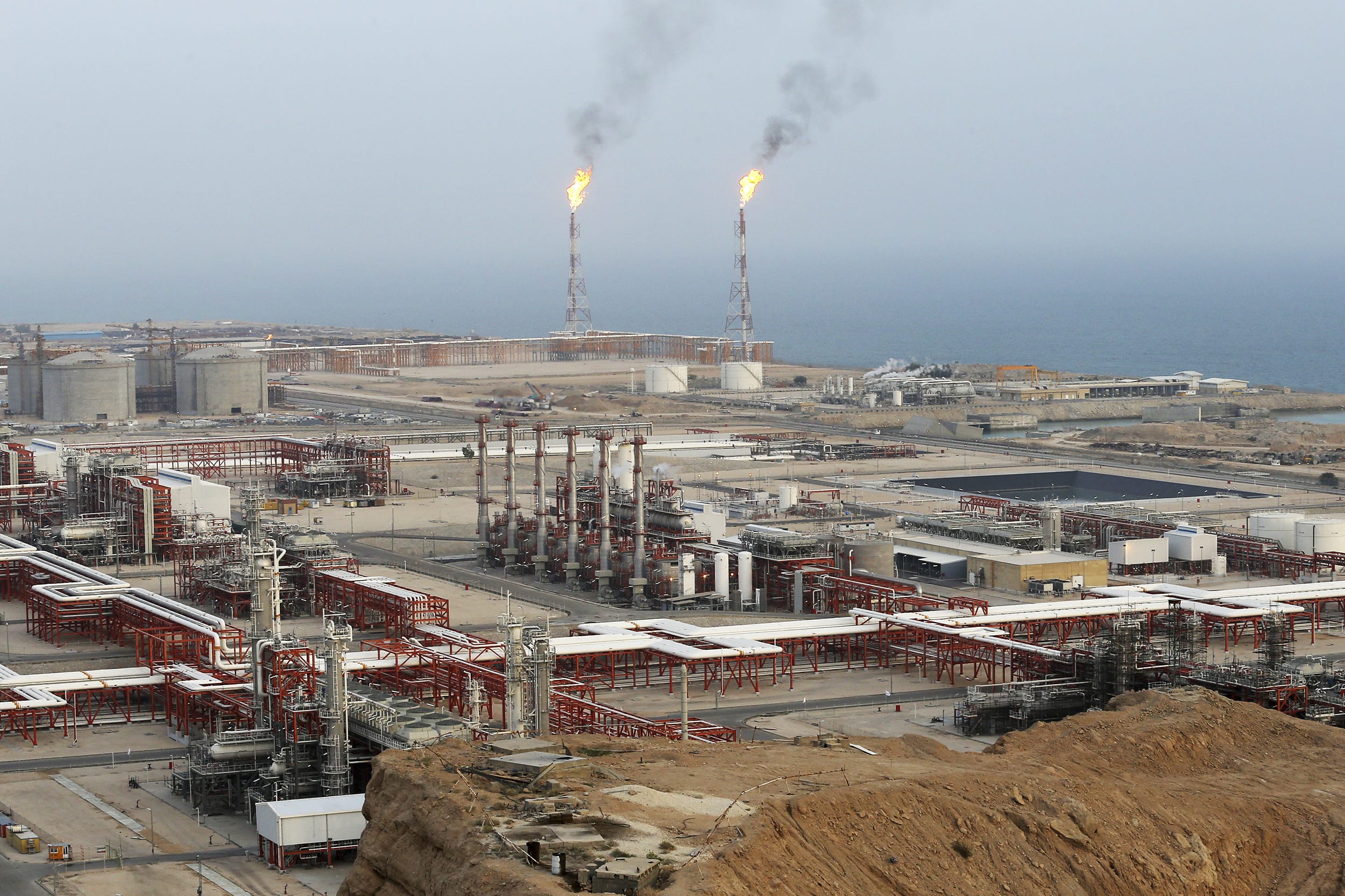
United States President Donald Trump has warned that Washington could strike Iran’s energy infrastructure within 48 hours if Tehran does not reopen the Strait of Hormuz, sharply escalating tensions in an already volatile conflict.
Trump said the United States would target Iran’s “largest energy sites” if the ultimatum is not met. The Strait of Hormuz, a critical maritime chokepoint through which roughly a fifth of global oil supply passes, has become a central flashpoint in the crisis.
Iran responded with its own warnings, threatening to target energy infrastructure across the Middle East. Parliament Speaker Mohammad Bagher Ghalibaf said key facilities could be “irreversibly destroyed” in the event of further escalation.
The exchange of threats comes amid continued US and Israeli strikes on Iranian targets, alongside retaliatory actions by Iran against Israeli and regional sites.
Risk of Wider Socioeconomic Shock
The conflict has already begun to affect economies across the region and beyond, as disruptions to oil and gas flows push up global energy prices and increase the cost of basic goods.
On March 19, leaders from the United Kingdom, France, Germany, Italy, the Netherlands, Japan, and Canada issued a joint statement expressing “deep concern” over the escalation. They condemned both the closure of the Strait of Hormuz and attacks on oil and gas installations.
Analysts warn that direct strikes on major energy infrastructure in the Gulf could trigger a severe socioeconomic shock.
Critical infrastructure such as desalination plants, essential for water supply in arid Gulf countries, could also be at risk. Countries including Qatar, Bahrain, and Kuwait on the eastern side of the peninsula without access to alternative seas are particularly at risk, making such facilities especially vulnerable in the event of attacks.
Strategic and Financial Implications
Beyond immediate economic disruption, the escalation could have longer-term implications for global financial systems. Increased instability in energy markets is placing renewed pressure on the petrodollar system, under which oil and gas are predominantly traded in US dollars.
Some analysts suggest that sustained disruption could accelerate efforts by certain states to diversify away from the dollar in energy transactions, potentially weakening its dominance in global trade over time.
Meanwhile, as the conflict shows signs of shifting toward a prolonged, attritional phase, and in light of the deadlocked state of negotiations, observers warn of the risk of broader and more destructive military operations. Both sides may seek decisive strikes to force political concessions.
With the 48-hour deadline looming, uncertainty remains over whether Iran will respond to US demands, and whether Washington will follow through on its threats. Any escalation could have far-reaching consequences, not only for the southwestern Asia region but for global economic and security stability.
