

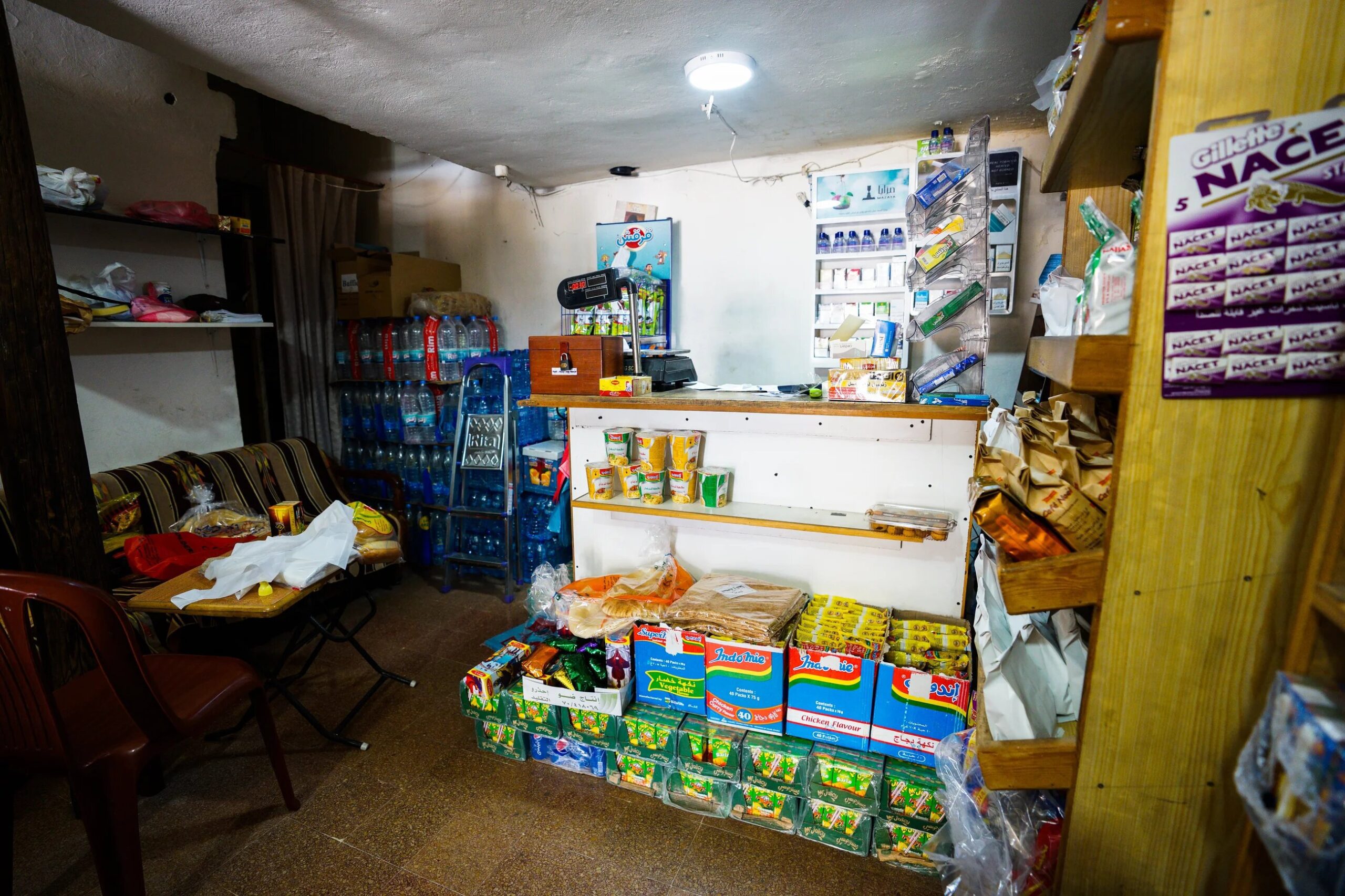
On Monday, reports indicated that the Cabinet approved a LBP300,000 gasoline tax and a 1% increase in value-added tax (VAT), under the pretext of supporting the underfunded public sector.
The decision came as a shock for many across the country, and immediately raised concerns on what these decisions hold for consumer prices in the context of a continued multifaceted crisis.
Any increase in VAT is likely to be translated into direct increase in the prices of everyday products which, in the current state of affairs, is likely to be abused by major traders who continue to hike prices even with the exchange being stable for over two years.
Why Is It So Concerning?
While the increase in prices alone represents a major concern for many households in Lebanon, especially the poorest ones, another concern stands in the absence of a shift in mentality with regard to how issues of public financial management are approached in the country.
While branded as a reformist government, the state budget approved earlier this year and reforms such as the VAT tax hikes point to a continuation of the old model of operation, rather than the onset of a new approach to governance.
Such steps continue overburdening low- and middle-income households across the country, who would pay equally for these taxes and fees as the richest 1%. The latter, in turn, continue to be shielded on both policy and practical levels.
On a policy level, progressive taxes such as wealth taxes, taxes on vacant properties, and adequately progressive income taxes remain largely absent. On a practical level, both regressive taxes and the meagre degrees of progressive taxes in place are inefficiently levied on the country’s political-financial elites, who continue to apply a range of tools to avoid and evade paying their fair share.
Funding the public sector, including its employees, infrastructures, and services, remains a critical necessity. The ways in which this funding has to be secured, however, are equally important.
On that level, another major concern remains the fact that there is a big number of unresolved files that, if resolved fairly, should protect public sectors from worsening deterioration.
One such file is that of financial losses. Major bankers and affiliated political elites continue scheming to avoid paying for their responsibilities in the crisis and depositors’ loss of assets, including proposing steps to let the state pay for financial losses or, even more absurdly, pushing to sell the country’s gold reserves to compensate for a situation they largely caused.
Another file is that of state deposits in the Central Bank which continue to pile up, reaching over $USD 7.2 billion US in June 2025, predominantly to maintain the stability of the exchange rate at 89,500 LBP/USD. However, the current model of operation remains untenable as public services deteriorate further, likely leading to a renewed collapse in the near future.
In addition, there remain necessary steps related to banking secrecy, audits, and investigation on financial schemes over the last several years. Last year, for example, the Lebanese Parliament passed a law to lift the country’s banking secrecy laws, which has retroactive applications. If accounts are investigated correctly, especially those that funneled money outside the country at the onset of the 2019 crisis, these steps could help secure a well-needed amount of funds for the public sector.
In the 2026 state budget, the state did secure a positive balance (revenues to expenses), but this alone raises a major question mark. In a context where the population is in urgent need of running services and affordable basic needs, the state continues to take an austere path in public financial management, and imposing more burdens on the country’s poorest.
