
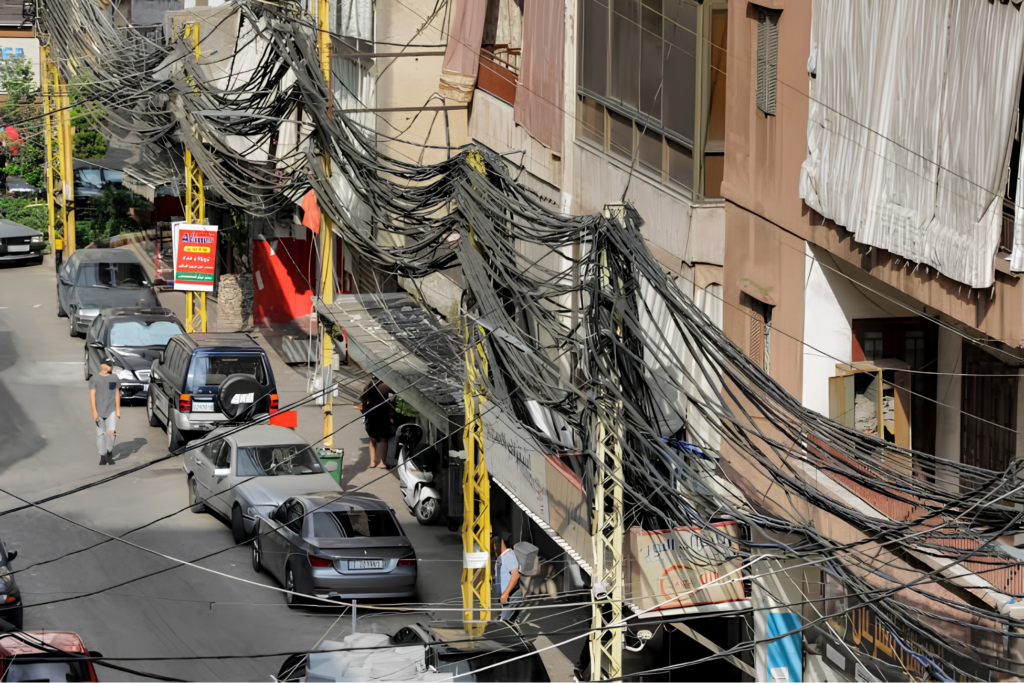
Lebanon’s fuel prices continue to rise rapidly, with households across the country increasingly feeling the impact. Between those unable to afford private generator subscriptions and those paying exorbitant amounts for a basic service such as electricity, the country’s rising energy costs remain largely absent from major policy discussions.
Increases in the prices of 95-octane gasoline, 98-octane gasoline, diesel, and gas canisters have also affected other sectors and people’s access to basic needs, including healthcare, food, livelihoods, and water.
An Unabated Rise
A comparison between fuel prices at the beginning of the year and today reveals the growing disparity between wage adjustments and the cost of living.
Between January 2 and August 11, the price of 95-octane gasoline rose from LBP 1,359,000 to LBP 2,455,000 per 20 litres. The price of 98-octane gasoline increased from LBP 1,320,000 to LBP 2,473,000, while that of diesel rose from LBP 1,237,000 to LBP 2,348,000 per 20 litres.
This represents an average increase of 85.94% across the three fuel types (87.35% for 98-octane gasoline, 80.65% for 95-octane gasoline, and 89.81% for diesel), with prices nearly doubling in less than eight months.
What About Electricity?
This week, Lebanon’s Ministry of Energy and Water set the private generator tariff for August 2026 at LBP 48,241 per kilowatt-hour in urban areas and LBP 53,065 in rural and high-altitude areas.
Subscribers must also pay a fixed monthly fee of LBP 385,000 for five amperes or LBP 685,000 for ten amperes. The tariff was calculated based on an average diesel price of approximately LBP 2.42 million per 20 litres.
The ministry prohibited generator owners from imposing additional maintenance fees or charges on households that also use solar energy and called for stronger enforcement against violations.
However, concrete measures to end arbitrary pricing and cartel-like practices in energy imports remain absent. Most Lebanese households are paying the price, while a small number of actors continue to profit from the crisis. One of the government’s major tests lies not only in addressing security developments, but also in ensuring that the most vulnerable population groups can access basic services.

