
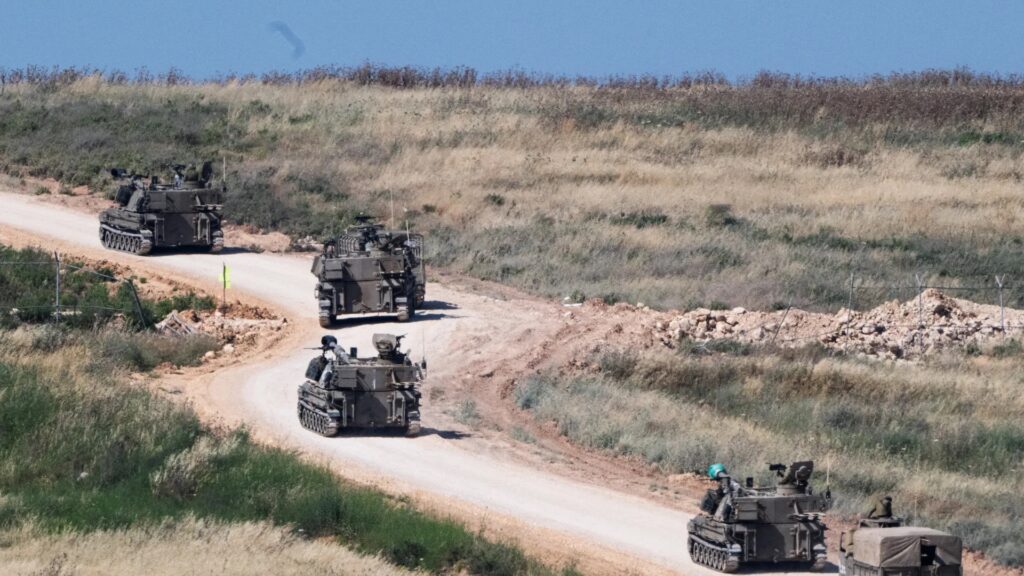
The Lebanese and Israeli delegations concluded two days of US-mediated talks in Rome, Italy to discuss the implementation of a range of security and political steps near border areas, with a particular focus on “pilot zones”.
An original ceasefire agreement was announced on April 16 and was then extended, yet Israeli attacks persisted across Lebanon. For more than a month, however, attacks have been concentrated in southern Lebanon.
The Latest from Talks in Rome
Little remains clear from what the different sides have agreed on so far, as well as what is set to take place on the ground in the upcoming days. A US official informed journalists that talks have been “positive”, and focused on the implementation of pilot zone arrangements.
The initiative includes the disarmament of armed groups – likely a reference to Hezbollah – from these regions, the deployment of Lebanese Armed Forces, and the progressive withdrawal of Israeli forces from southern Lebanon.
Only two of the many villages occupied by the Israeli military have been concerned with the first stages of the pilot zone implementation plan so far. Israeli forces continue to occupy territories 10 kilometers deep into Lebanese territory, according to Reuters.
Despite these talks, Israeli attacks have continued this week. Israeli soldiers blew up houses in Bint Jbeil city and Kounine town, and drone strikes, shelling, and other operations have impacted a range of other towns.
Regional Escalation Resumes
On a regional level, matters have escalated exponentially with the US striking numerous regions in Iran, and Iran claiming to have struck US military targets in Bahrain, Kuwait, and Jordan.
Lebanon’s fate remains highly tied to regional developments. While security arrangements might be separate and could progress independently from the state of hostilities elsewhere in the region, the Lebanese population, especially the high number of Lebanese workers in the Gulf region and their families, as well as economic relations between Lebanon and Gulf states, could be significantly impacted.
Global energy prices might also witness another wave of deterioration, especially as countries in Europe, North Africa, and other contexts suffer from a heat wave that requires high levels of energy consumption to cope with.

