
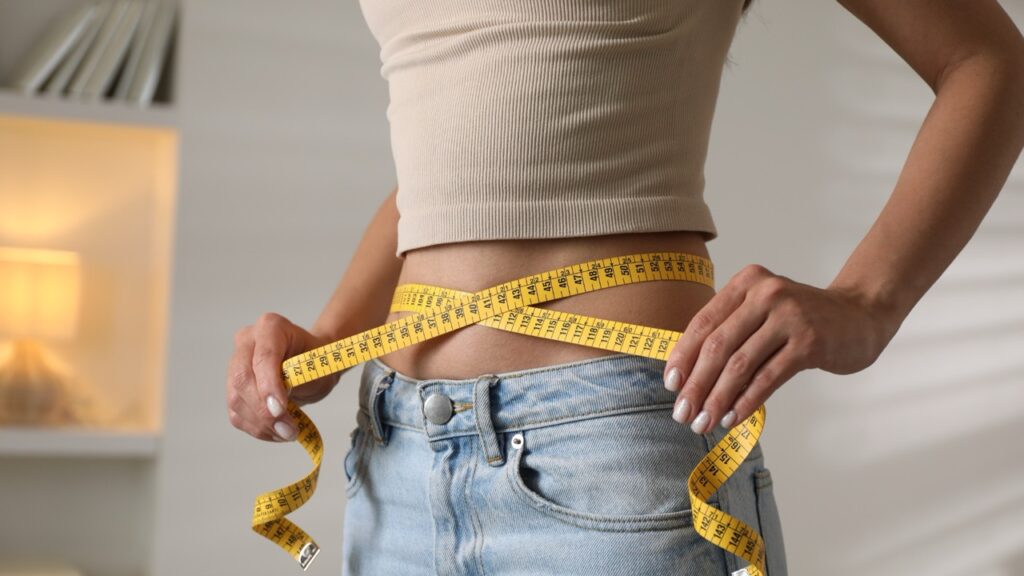
In a digital world populated by images which display intangible beauty and lifestyles, there are women and men of all ages that seem to conform to such standards that can simply not be attained. It is very surprising how normalized it has become for influencers to promote unhealthy body standards and label it as the so-called “perfect body”. So, the question remains, are these displays what caused eating disorders among many? Or are they just a factor that triggered it?
It is true that every couple of hundred years, the beauty standards among a civilization fluctuates. And it just so happens for us to be in the age where severe anorexia is blissfully encouraged and praised. So how come when one sees a starving, bone-displaying animal, it is only natural to feel bad for it. But instead when it comes to women, if she does not look like a skeleton reincarnated, then she is just simply too fat.
In an era where social media has the power to convince the entire world to subconsciously and unwillingly conform to a certain lifestyle, the trend of gym obsession has led to a market saturated with protein packed products and low-calorie alternatives. And although these products can serve legitimate nutritional purposes, the industry surrounding them often capitalizes on consumers’ desire for self-improvement. By promoting strict adherence to macros and protein targets, marketers may benefit from this consumption and profit off peoples’ insecurities and desire to reach certain standards.
Ultimately, it penetrates into a woman’s mind and confuses them whether the beauty standard is now a muscly gym girl, or a super skinny Victoria secret-like model. The matter is perplexed for it is truly impossible for a woman to achieve any sort of praise if it is not for her body. And even though none of us would care to admit it, it is a fact that we still conform to these oppressing degrading standards. For how much more would women achieve if you take away their yearning to be desired and perceived?
The impact that pretty privilege can have is baffling. In many aspects of life, physical attractiveness is often associated with greater social acceptance, more positive first impressions, and increased opportunities, making everyday interactions noticeably easier for those who fit conventional beauty standards. As a result, many women find themselves caught in a contradiction: while they may reject the unrealistic beauty ideals promoted by social media, they are also aware of the advantages that accompany conformity to those standards.
Thus, social media did not create eating disorders; they existed long before the rise of Instagram, Tiktok, and other online platforms. However, social media has undeniably amplified, normalized, and spread the attitudes that often accompany them. In a culture driven by likes, filters, and carefully curated and edited images, eating disorders have become disturbingly photogenic. Starvation is disguised as discipline, obsession is praised as dedication, and extreme thinness frequently finds itself on the cover of magazines, in viral videos, and across endless feeds. Rather than exposing the reality of these illnesses, social media often glamorizes their symptoms, transforming serious mental health conditions into aspirational lifestyles that are consumed and replicated by millions.
We cannot entirely put the blame on social media for the rise of eating disorders. However, the role played by influencers and public figures in amplifying unrealistic beauty standards and normalizing disordered behaviors cannot be overlooked. It is necessary that they must show accountability for reinforcing such harmful ideals, and begin promoting healthier balanced lifestyles that do not revolve solely around appearance. Instead, they should encourage habits that prioritize overall well-being, such as maintaining a positive relationship with food, moving the body for enjoyment and strength, and recognizing the importance of rest and mental health.
- Angela Dagher (June 20, 2026)

