
Following the third round of negotiations in Washington last week, the ceasefire agreement between Lebanon and Israel, mediated by the United States, was extended for an additional 45 days.
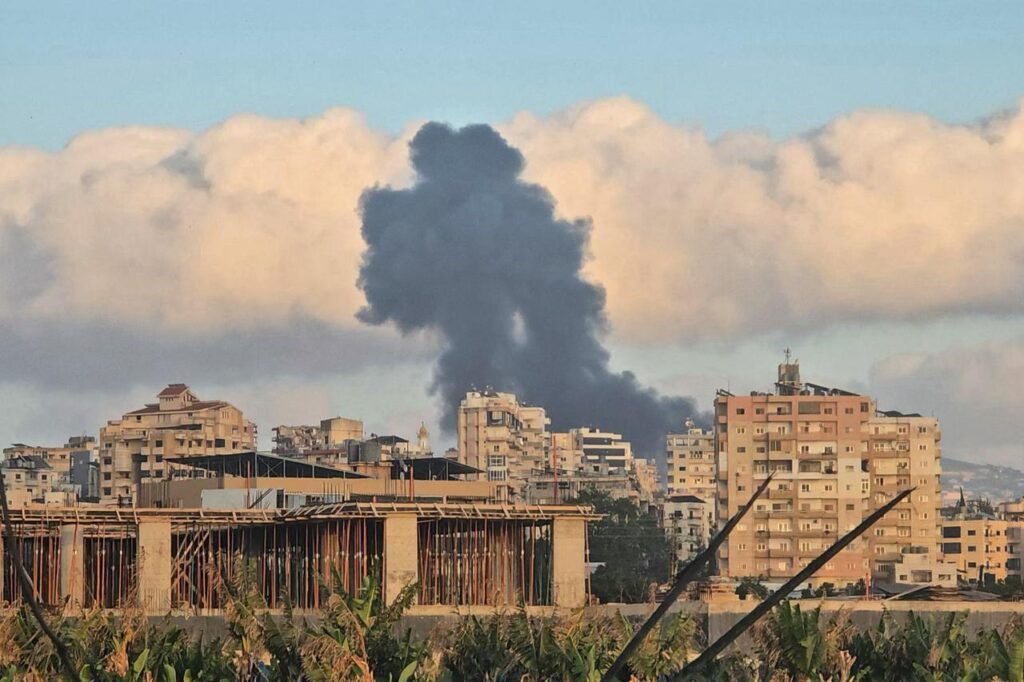
The extension came at a time when views around the agreement have become increasingly critical, especially as Israeli attacks over the last month continued to cause extensive harm and destruction. While operations were primarily concentrated in southern Lebanon, the post-ceasefire period also saw strikes on Beirut’s southern suburbs and the Mount Lebanon governorate, including densely populated residential areas.
Lack of Transparency and Differing Interpretations
Among the ceasefire agreement’s components, many remain unclear and differently interpreted. Among those, the concept of “self-defense” remains highly problematic.
Israeli attacks were not limited to areas close to the border, but rather extended deep into Lebanese territory. Analysis suggests that the Israeli army is conducting attacks outside of the usual scope of operations depending on the ranking and/or estimated importance of the Hezbollah or actor targeted.
As such, the concept of self-defense, without clear definition of its boundaries and conditions of applicability, remains subject to abuse. This remains the case for a number of other practices that have continued well after the ceasefire agreement, such as the flight of drones over Lebanon and other digital violations.
Pathways for a More Sustainable Ceasefire
The extension of the ceasefire agreement was welcomed by different parties, including United Nations Secretary-General António Guterres. Sources indicated to al-Modon that efforts are underway to solidify the ceasefire agreement. Whether that means reshaping how the parties are acting or turning it into a permanent arrangement remains unclear.
The Lebanese delegation indicated that the main pillars of its position are the full sovereignty of the Lebanese state over its territory, the return of displaced communities to their homes, reconstruction and recovery, the release of captured Lebanese nationals, and the recovery of casualties’ bodies.
Hezbollah, for its part, continued operations against Israeli forces in southern Lebanon and Israeli locations near the border. The group rejected any type of “foreign dictations” pushing Lebanon towards a negotiating path or peace agreement with Israel.
The issue of Hezbollah’s disarmament remains a central point of contention, as the path towards disarmament remains unclear. Factors such as the ability and readiness of the Lebanese Army and official security institutions to undertake such measures, Hezbollah’s position on the issue, and the extent of foreign efforts remain key considerations.
For the Lebanese population, security and socioeconomic conditions remain grim. Israeli attacks have killed hundreds of individuals since the onset of the ceasefire agreement. By May 15, the total number of people killed since early March had reached 2,951, including 209 children and 110 health sector workers. The number of people injured reached 8,988, including 823 children and 259 health sector workers.
Around one million people remain displaced due to continued attacks, occupation, and the widespread destruction of residential buildings and vital infrastructure.

