
Lebanon and Israel are set to meet today for their first direct negotiations, scheduled to begin at 11:00 a.m. Eastern Time (6:00 p.m. Lebanon time) in Washington, D.C. The decision follows a phone call on Friday between Lebanese and Israeli ambassadors to the United States.
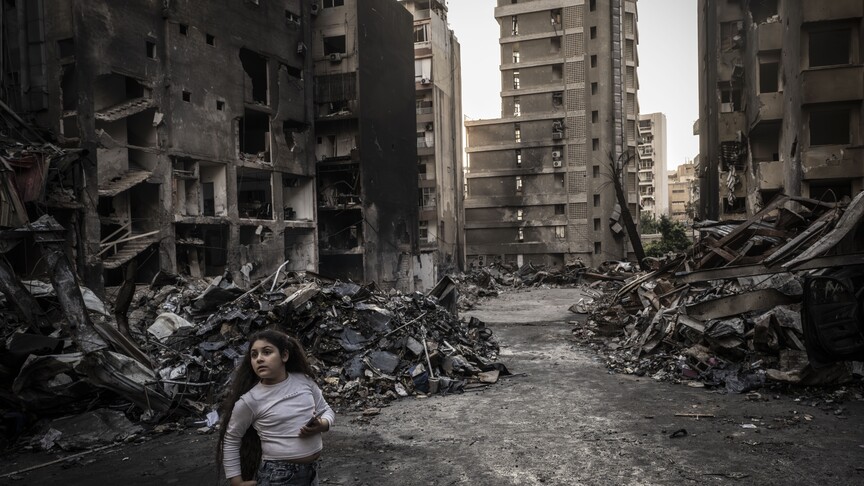
The call came just two days after Israeli forces carried out one of the deadliest attacks since the start of the war, striking more than 100 locations in under ten minutes, including densely populated residential areas. The strikes killed at least 357 people and injured 1,223 others.
Since March 2, Israeli attacks in Lebanon have killed 2,089 people, including 166 children and 88 health sector workers, and injured 6,762 others, among them 648 children and 195 health workers. A total of 116 attacks on emergency medical services and 25 on medical and ambulance centres have been recorded, while six hospitals have been forced to close.
The talks may also be attended by U.S. Secretary of State Marco Rubio, potentially marking the first high-level U.S. engagement specifically focused on Lebanon amid ongoing regional developments.
Clashes Continue Amid Disagreement Over Ceasefire
An early point of contention between the two sides is whether negotiations should proceed while fighting continues or follow a temporary ceasefire. Lebanese officials have called for a ceasefire, even if temporary, before talks begin, while Israeli authorities have insisted negotiations proceed under ongoing military operations. The latter seems more likely to take place as attacks have continued today.
On the ground, Israeli offensives and daily strikes have persisted for the last several weeks, particularly in southern Lebanon. The strategically significant town of Bint Jbeil has been a focal point in recent days, with Israeli forces repeatedly attempting to advance into the town.
Clashes have also been reported in other parts of South Lebanon, including Naqoura and Bayada on Monday.
The implications of these developments are expected to extend beyond immediate destruction. Israeli strikes have increasingly targeted services and vital infrastructure across Lebanon, raising concerns over long-term damage and the potential expansion of Israeli military presence along the southern border. Prior to March 2, Israeli forces held five positions in southern Lebanon; plans for a broader occupation are now reportedly under consideration.
Domestic Divisions and Regional Uncertainty
The announcement of direct negotiations has triggered mixed reactions within Lebanon and internationally. Many supported Lebanese authorities’ decision, Hezbollah rejected it, and others proposed differing approaches to the matter such as refusing negotiations under fire, conditioning the step to undertake negotiations on a halt to Israeli attacks.
A central and highly sensitive issue expected to arise during negotiations is the disarmament of Hezbollah. This raises broader questions about the extent of the Lebanese state’s authority over the group and the practical means available to enforce such an outcome under current conditions.
At the same time, developments in Lebanon remain closely tied to ongoing U.S.–Iran negotiations, which have yet to produce tangible progress.

